About Kempston Rural
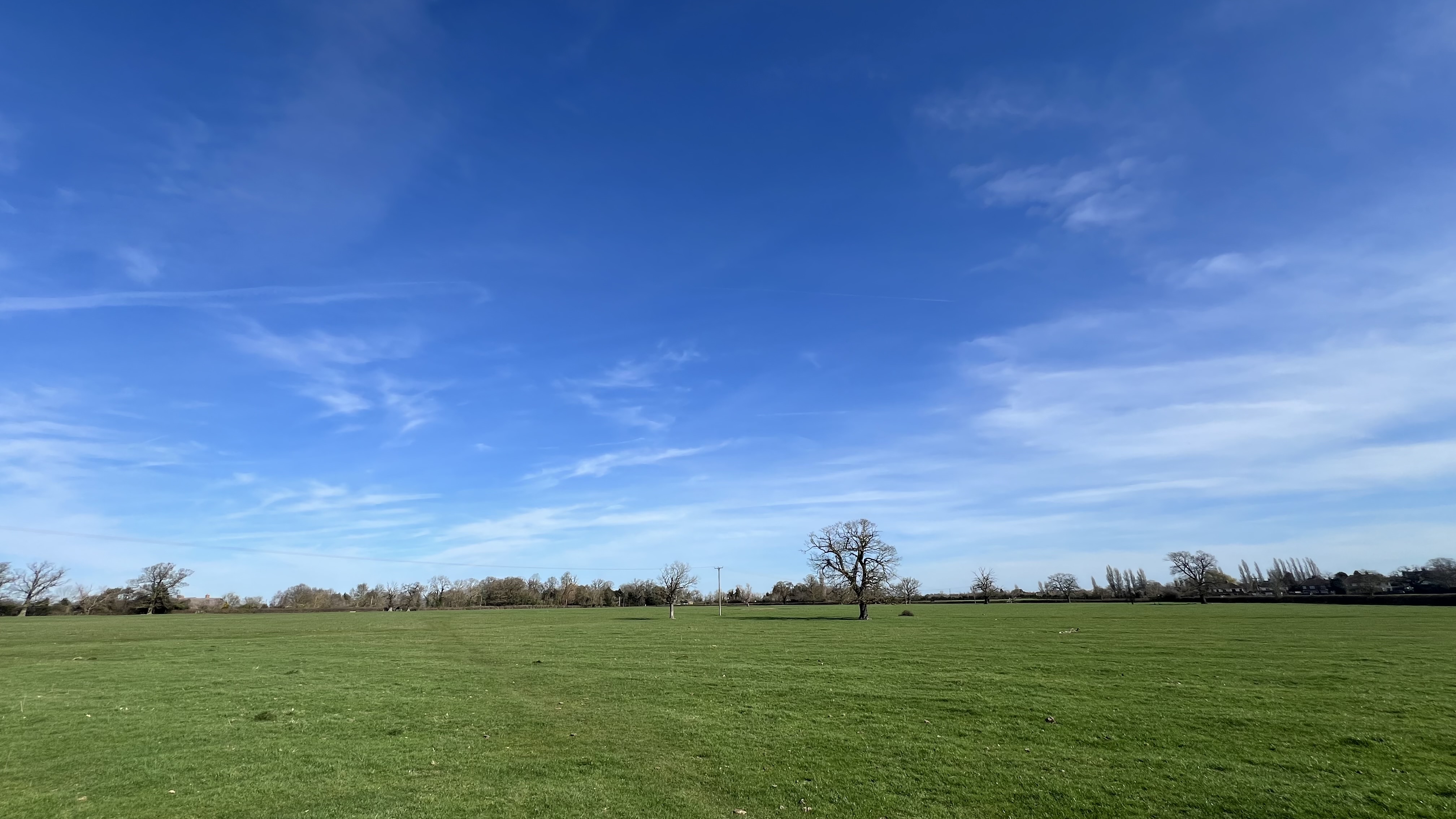
Kempston Rural is a small rural parish in Bedford Borough — characterised by open countryside, scattered farms, and a small cluster of residential properties. It is not a town, not a service centre, and has no significant infrastructure to support large-scale housing growth.
Unlike its larger neighbour Kempston, Kempston Rural is a distinct rural community — and must be treated as one in any planning decision.
Current Services & Infrastructure
Kempston Rural currently has none of the services needed to sustain a settlement of 645+ homes:
-
✕
No shop — residents must drive to Kempston or Bedford for basics
-
✕
No GP surgery — nearest practices are in Kempston and Wootton
-
✕
No secondary school — all students travel by car or bus
-
✕
No pub, restaurant, or village centre
-
✕
Limited public transport — almost entirely car-dependent
Why 420 Homes Is Disproportionate
~225 existing homes + 420 new homes = a 187% increase overnight.
With approximately 225 existing dwellings, adding 420 new homes would represent an increase of nearly 187%. This is not infill development or organic growth — it is a fundamental transformation of a rural settlement.
National planning policy requires development to be sustainable in both location and scale. Kempston Rural is inherently car-dependent, infrastructure-light, and entirely unsuited to absorbing a settlement-trebling expansion.
What Would Be Appropriate?
We are not opposed to all development. A modest scheme of perhaps 20–30 homes would be more proportionate to the size, character, and infrastructure capacity of Kempston Rural — and would better align with the principles of sustainable development.
This campaign is not anti-development. It is pro-appropriate, pro-proportionate, and pro-sustainable planning.
See the Scale
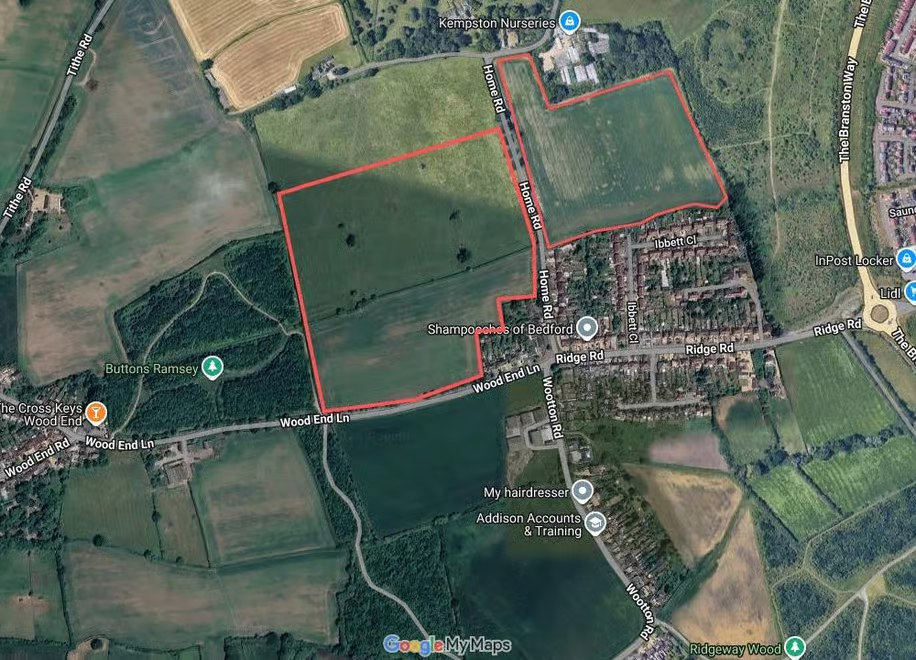
The highlighted area shows the full extent of the proposed development site. Compare this footprint to the existing ~225 homes scattered across the parish and the disproportionate scale becomes immediately clear.
Homes
New Homes
Increase