← Back to Home

Planning Concern — Ecology

Wildlife &
Biodiversity.

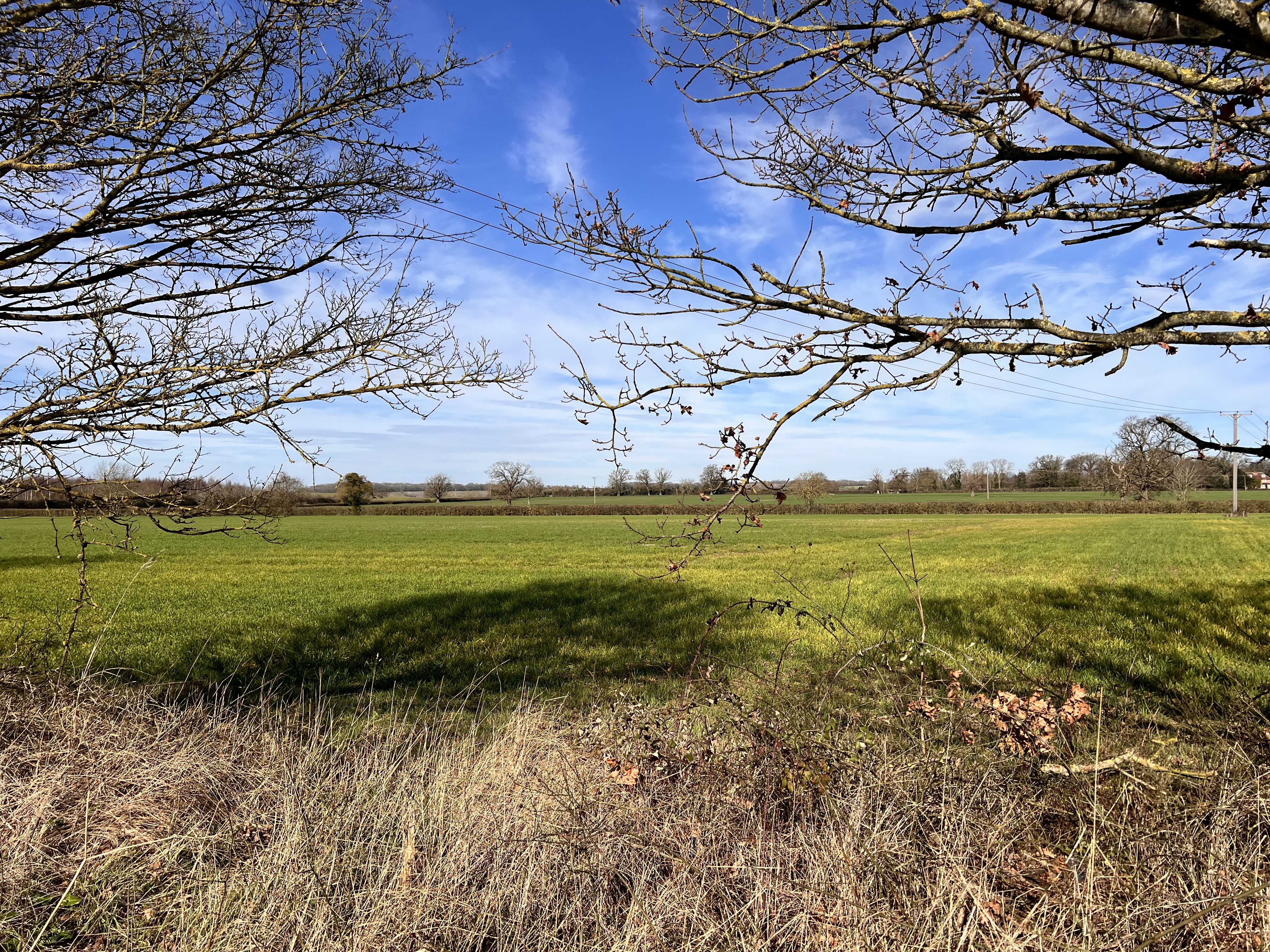
The fields and hedgerows at this site act as vital wildlife corridors, connecting habitats across the wider Kempston Rural landscape. Large-scale development would fragment these habitats permanently.
What Lives Here

The site and its immediate surroundings provide important habitat for a range of protected and priority species. Residents regularly observe:

  • Bats — commuting along hedgerow corridors at dusk
  • Nesting birds — including skylarks, yellowhammers, and swallows
  • Hedgehogs — reliant on connected garden and field corridors
  • Butterflies & pollinators — dependent on wildflower margins
  • Amphibians — breeding in field ditches and ponds
  • Small mammals — field voles, shrews, and stoats

Many of these species are protected under the Wildlife and Countryside Act 1981. Development must not proceed without legally compliant surveys and mitigation.

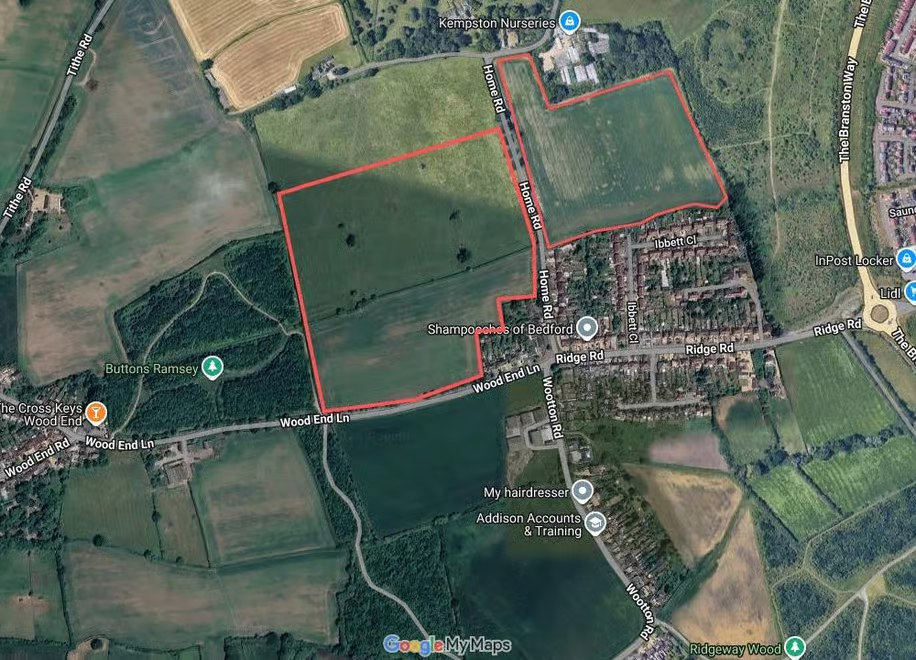
The Proposed Site

The highlighted land shows the full extent of the proposed development footprint. Every hectare of this site currently provides habitat, wildlife corridors, and natural drainage.

Replacing this with 420 homes, roads, and hardstanding would sever ecological connections that wildlife has used for generations.

Aerial map showing proposed development land at Kempston Rural

Hedgerow Destruction

Hedgerows are the backbone of rural biodiversity. They provide nesting sites, foraging routes, shelter, and migration corridors for dozens of species. The site contains mature hedgerows that would be removed or severely disrupted by development.

Once removed, hedgerows take 50–100 years to reach ecological maturity. Replanting is not equivalent replacement.

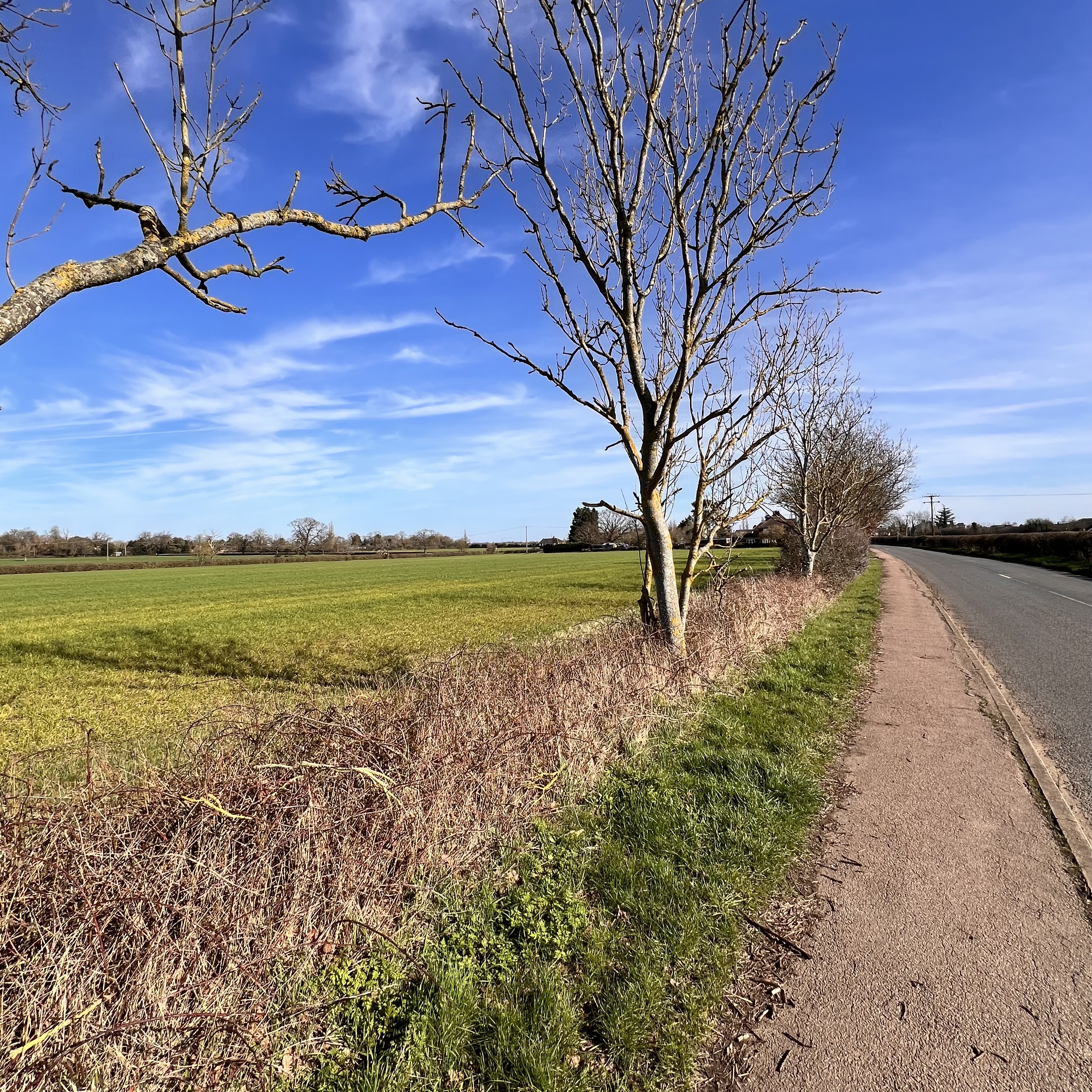
Open field alongside rural road at Kempston Rural — habitat for ground-nesting birds

Biodiversity Net Gain

Since November 2023, all major developments must deliver a minimum 10% Biodiversity Net Gain (BNG). This means the development must leave biodiversity in a measurably better state than before.

Key questions the applicant must answer:

  • Has a full ecological impact assessment been completed?
  • Have bat emergence surveys been conducted in the correct season?
  • How will 10% BNG be achieved and maintained for 30 years?
  • Who will fund and enforce long-term habitat management?

Light & Noise Pollution

420 homes would introduce permanent artificial lighting and noise into what is currently dark, quiet countryside. This has severe impacts on nocturnal species — particularly bats, owls, and moths — that rely on dark corridors for navigation and foraging.

Light pollution is now recognised as a significant ecological harm. The NPPF requires development to minimise impacts on biodiversity — including indirect effects like lighting.

Protect the wildlife that calls this home.

Ecological harm is a material planning consideration. Register your interest and help ensure the council demands proper surveys and genuine biodiversity net gain.